Securely managing and updating hundreds of IoT devices remotely
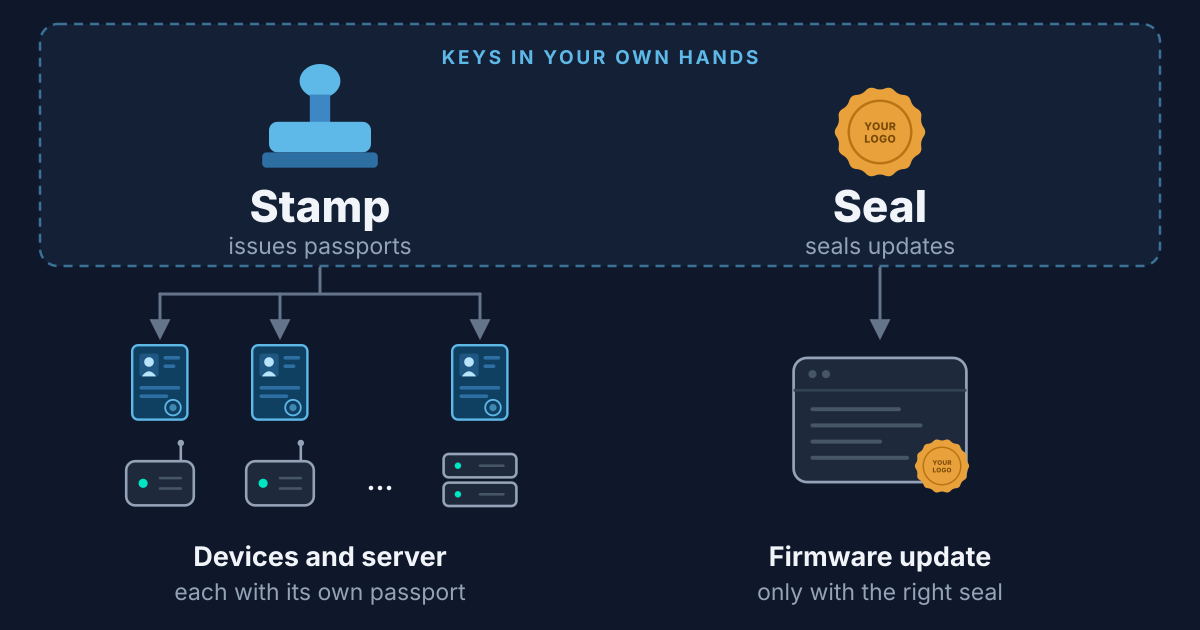
Rolling out firmware updates safely to hundreds of IoT devices: certificates, signed updates and key management, explained without jargon. With a checklist.
Insights on engineering,electronics, firmware, and embedded systems
Rolling out firmware updates safely to hundreds of IoT devices: certificates, signed updates and key management, explained without jargon. With a checklist.
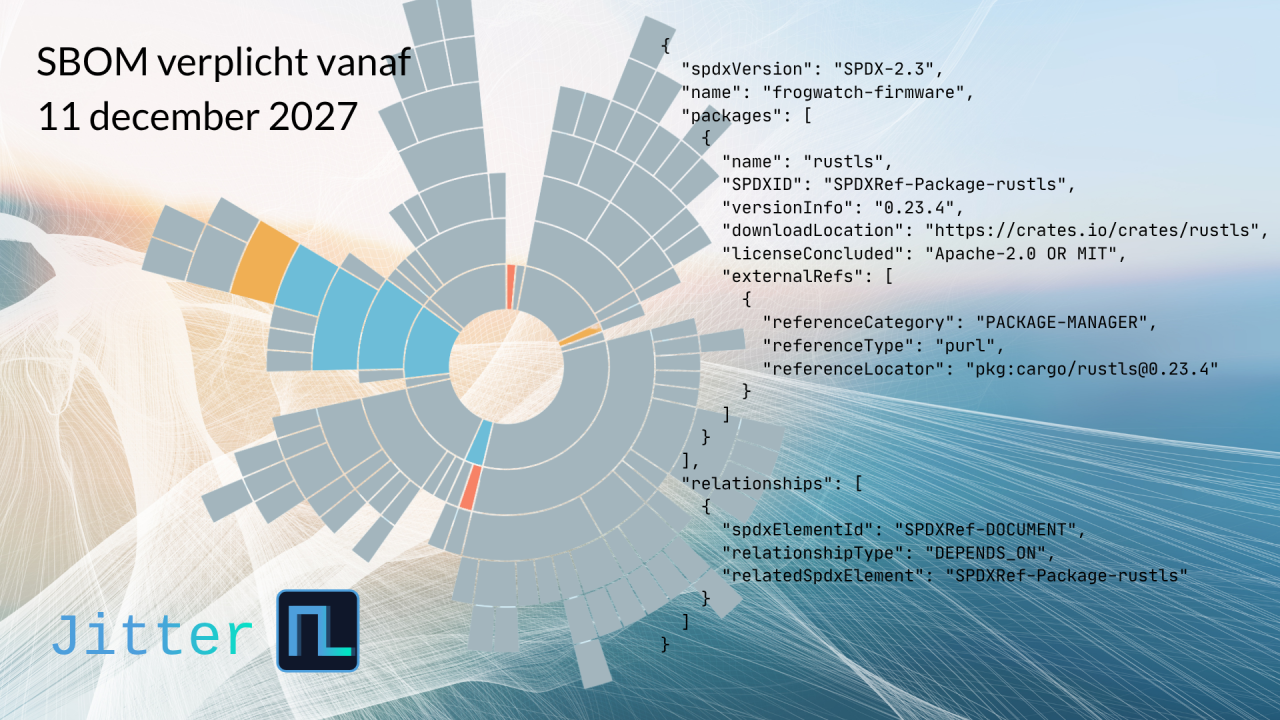
From December 2027 the Cyber Resilience Act requires an SBOM. What is a Software Bill of Materials, what is it used for, and how do you generate one automatically?
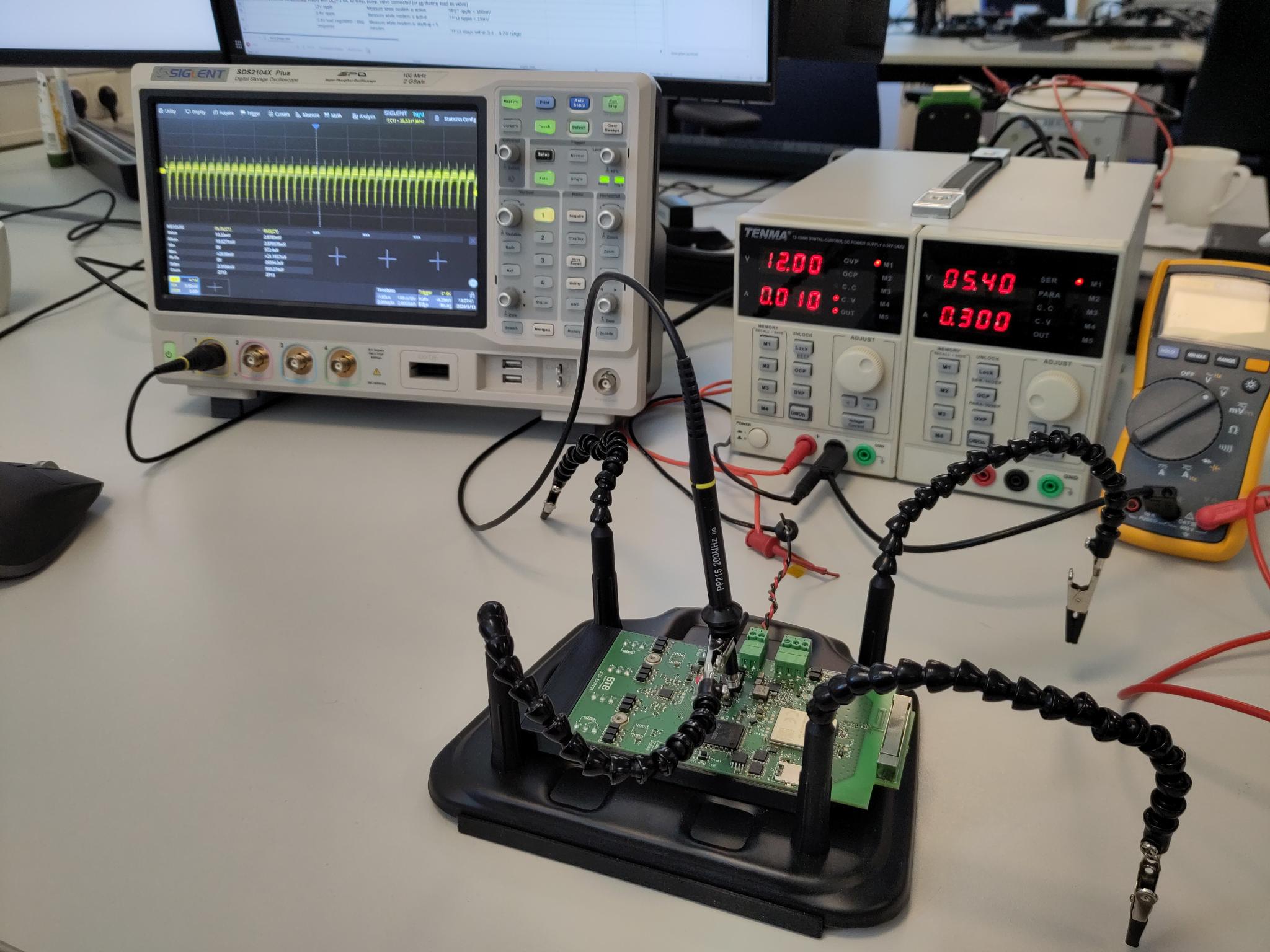
What do you do with a freshly built prototype? This is how we test a new board step by step, including an example of our test report.
The Cyber Resilience Act prescribes the result, not the technique. Three concrete requirements explained: secure firmware updates, logging versus data minimisation, and the SBOM.
The EU Cyber Resilience Act sets strict requirements for the security of connected products. The Jitter platform already meets these requirements with MQTT over TLS and per-device X.509 authentication.
Replacing everything at once sounds like the fastest route, but incremental modernization is almost always the better strategy. Why? You're always working from a functioning whole and can test and adjust much sooner.
Building something new from scratch is so much easier than modifying existing systems. But you don't have that luxury when you need to modernize a running system.